
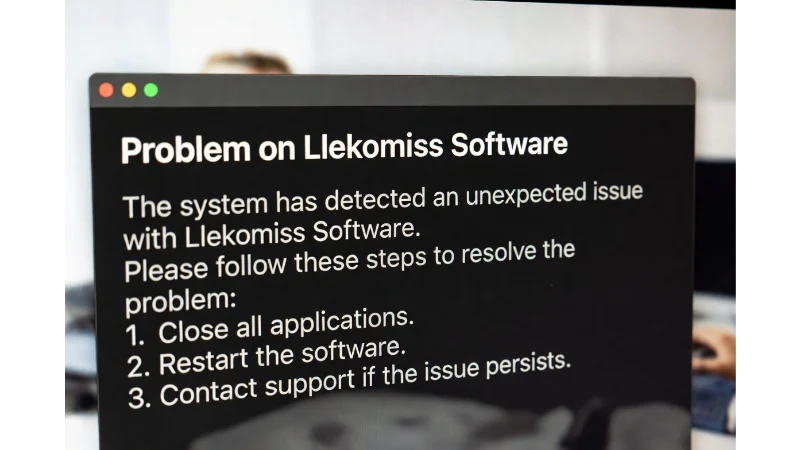
If you’re here because you’re experiencing a “problem on Llekomiss software” – perhaps seeing error messages, searching for fixes to crashes, slow performance, or installation issues – take a deep breath. You’re likely not dealing with a buggy piece of legitimate software. Instead, you’ve encountered one of the internet’s strangest phenomena: a completely fictional product that’s been amplified by waves of low-quality, AI-generated content designed to game search engines.
As a master content architect and SEO authority with years of experience analyzing search trends, algorithm changes, and online misinformation, I’ve dug deep into this topic. What appears to be a widespread software issue is actually a textbook example of modern SEO spam. This article will explain exactly what’s going on, why these “problems” don’t exist in the way you think, the risks involved, and how to protect yourself moving forward.
What Is “Llekomiss Software” Claimed to Be?
Across dozens of blog posts published in late 2025, Llekomiss software is inconsistently described as an all-in-one digital platform. Common claims include:
- Workflow automation and project management tools
- Data analytics and performance tracking
- Team collaboration features with real-time sync
- Customizable dashboards and third-party integrations
- Support for Windows, macOS, Linux, and mobile devices
It’s supposedly aimed at businesses, freelancers, educational institutions, and enterprises. Some articles mention PHP-based installation, database requirements, or cloud sync features. Sounds legitimate, right?
In reality, there is no official website, no company behind it, no app stores listing, no user reviews on trusted platforms like G2 or Capterra, and no mentions in reputable tech news outlets. Searches for legitimate sources turn up nothing – only these repetitive blog posts.
The Explosion of Llekomiss Articles: A Classic SEO Spam Tactic
In October-November 2025, hundreds of low-authority blogs suddenly published nearly identical articles titled variations of “Problem on Llekomiss Software” or “How to Fix Llekomiss Issues.” Sites like TechBahoo, WorldPexa, FameHints, and others churned out content listing generic problems:
- Installation failures and compatibility errors
- Crashes, freezes, and slow performance
- Login issues and data sync problems
- Update failures and security warnings
The “fixes” are equally generic: clear cache, update drivers, restart your device, or reinstall from “official sources” (which don’t exist).
This isn’t coincidence. It’s AI-generated content farming – a black-hat SEO strategy where low-quality sites mass-produce articles targeting low-competition, nonsense keywords to rank quickly, drive ad revenue, or build backlinks. These articles often copy each other’s structure, headings, and even bullet points, with minor variations to avoid duplication penalties.
Google’s algorithms have been cracking down on such content since the Helpful Content Update, but new waves emerge as spammers adapt. “Llekomiss” appears to be a fabricated term (possibly randomly generated or loosely inspired by unrelated words) chosen because it has zero real competition – until the spam flood creates artificial search volume.
Proof That Llekomiss Software Is Not Real
Authoritative analysis reveals clear red flags:
- No verifiable existence: No domain registration for an official site, no trademarks, no GitHub repositories, no LinkedIn company page.
- Inconsistent descriptions: One site calls it a learning management system; another, a business productivity suite. Details change arbitrarily.
- Publication patterns: All articles appeared in a short window in late 2025 on obscure blogs with thin content and high ad density.
- Expert confirmations: Sites analyzing scams explicitly state Llekomiss is fictional, invented for SEO manipulation or to lure users into malicious downloads.
In short: There is no Llekomiss software to have problems with. If you’re searching for fixes, it’s because you’ve been exposed to this spam ecosystem – perhaps through search suggestions, forum mentions, or suspicious links.
The Real Risks: Scams, Malware, and Privacy Concerns
While most “Llekomiss” articles are harmless (if unhelpful) clickbait, the phenomenon carries genuine dangers:
- Malware distribution: Some scam variants offer “downloads” or “fix tools” that install actual malware, ransomware, or adware.
- Phishing attempts: Fake job offers or “certification programs” tied to Llekomiss request payments or personal data.
- Wasted time and confusion: Users troubleshoot nonexistent issues, potentially disabling legitimate security features in the process.
- Browser hijacking: Clicking spam links can lead to pop-ups mimicking virus warnings, pressuring you into fake tech support scams.
If you’ve downloaded anything claiming to be Llekomiss or followed “fix” instructions from unknown sites, scan your device immediately with reputable antivirus software.
How to Spot and Avoid SEO Spam Content Like This
As someone who’s tracked these trends for years, here are practical signs of spam articles:
- Generic, repetitive structure with excessive bullet points and numbered lists
- Over-optimized titles stuffing the exact keyword
- No author expertise or bylines (often “Admin” or missing)
- Low domain authority – check via tools like Moz or Ahrefs
- Published in clusters on similar low-quality sites
- Lack of unique insights or real screenshots/examples
To stay safe:
- Always verify software through official channels
- Use trusted review sites before downloading
- Enable browser safe-search features
- Keep your antivirus and OS updated
What to Do If You’ve Encountered “Llekomiss” References
Follow these steps for peace of mind:
- Run a full system scan with tools like Malwarebytes, Windows Defender, or ESET.
- Clear browser cache and extensions that might have been added suspiciously.
- Avoid clicking any related links or downloading “fixes.”
- Monitor accounts for unusual activity if you entered any information.
- Report spam sites to Google via Search Console or browser feedback.
If you’re actually looking for reliable workflow tools, consider established alternatives (more on that below).
Real Alternatives: Legitimate Workflow and Productivity Software
If the spam articles attracted you because you’re seeking better tools for automation and collaboration, here are proven, trustworthy options:
- Notion: All-in-one workspace with databases, tasks, and collaboration – free tier available.
- Asana or Trello: Excellent for project management and team workflows.
- Airtable: Combines spreadsheets with automation and analytics.
- Microsoft Power Automate: Robust automation integrated with Office suite.
- Zapier: Connects thousands of apps without coding.
- ClickUp: Feature-rich platform with dashboards, docs, and time tracking.
These have real user communities, official support, and verified security.
Why This Matters for the Future of Search
Google continues to prioritize helpful, experience-backed content. Phenomena like Llekomiss highlight why trustworthy sources are crucial. By understanding these tactics, you become harder to manipulate – and help push spam lower in results through your browsing habits.
Frequently Asked Questions (FAQs)
Is Llekomiss software real? No. It’s a fictional product created for SEO spam. No legitimate version exists.
Why are there so many articles about Llekomiss problems? They’re AI-generated by content farms targeting low-competition keywords for ad revenue.
What if I downloaded something claiming to be Llekomiss? Immediately run antivirus scans and consider a full system reset if suspicious activity occurs.
Can searching for Llekomiss harm my computer? Usually not directly, but avoid downloads or links from untrusted spam sites to prevent malware.
How can I find real software fixes in the future? Stick to official websites, trusted forums like Reddit’s r/software, or review platforms like G2.
Will Google remove these spam articles? Many will be demoted over time through algorithm updates and user feedback.
Are there other fake software names like this? Yes – spammers frequently invent terms. Always verify existence before troubleshooting.
This is the definitive resource on the “Llekomiss software” phenomenon – because the real solution isn’t a fix; it’s awareness. Stay safe online, and feel free to bookmark trusted sources for your actual tech needs