
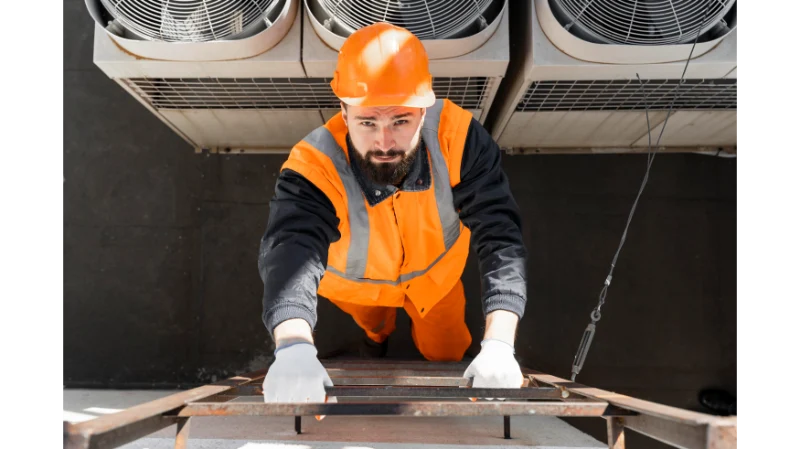
Heating and cooling systems are among the most relied-upon components in residential and commercial buildings. They operate through changing seasons, long hours, and fluctuating demand, all while maintaining indoor comfort. Over time, this constant use places stress on mechanical parts, electrical components, and airflow systems. Without proper attention, even well-installed equipment can wear down faster than expected. HVAC contractors play an important role in slowing this process by supporting systems through consistent care and informed adjustments. Understanding how HVAC contractors contribute to longer system lifespans underscores the importance of regular service and informed oversight in everyday building operations.
Protecting Systems Built for Daily Comfort
-
Routine Maintenance as the Foundation of Longevity
Routine maintenance forms the backbone of extending HVAC equipment lifespan. Systems that receive consistent attention are less likely to experience sudden failures or accelerated wear. Contractors inspect moving parts, clean internal components, and ensure connections remain secure. These steps help prevent minor issues from developing into larger mechanical problems. Filters, coils, and fans are kept in working condition, allowing air to flow smoothly without forcing the system to work harder than necessary. When maintenance schedules are followed, equipment operates within its intended range instead of compensating for neglected components. Many homeowners searching for AC repair near me are often responding to problems that routine maintenance could have minimized. This proactive approach supports steady performance and helps systems reach their expected service life.
-
Accurate Diagnostics and Early Intervention
HVAC contractors extend equipment lifespan by identifying issues early through accurate diagnostics. Modern systems include numerous sensors and control elements that can detect performance changes well before a breakdown. Contractors use these indicators to spot irregularities such as pressure imbalances, electrical strain, or airflow restrictions. Addressing these issues early reduces stress on core components like compressors and motors. Early intervention prevents situations in which a minor malfunction forces other parts to compensate, accelerating deterioration. Diagnostic assessments also help contractors fine-tune system operation, ensuring that each component contributes evenly to overall performance. This balance reduces unnecessary strain and supports long-term reliability across the entire system.
-
System Calibration and Performance Balance
Proper calibration is essential for HVAC equipment to function efficiently over time. Contractors adjust settings such as airflow rates, thermostat response, and cycling frequency to match the building’s needs. When systems are poorly calibrated, they may cycle too frequently or run longer than necessary, increasing component wear. Balanced operation allows heating and cooling equipment to maintain comfort without constant strain. Contractors also ensure that ductwork, vents, and returns are aligned with system capacity, preventing pressure buildup that can shorten equipment life. Calibration supports smoother operation, resulting in fewer mechanical shocks and more predictable performance throughout the year.
-
Environmental Factors and System Protection
HVAC contractors also account for environmental conditions that influence equipment longevity. Dust, humidity, and temperature extremes all affect how systems age. Contractors recommend adjustments and protective measures based on local conditions, such as managing moisture buildup or reducing debris infiltration. These considerations help prevent corrosion, electrical issues, and airflow blockages. By adapting system care to the surrounding environment, contractors reduce external stressors that accelerate wear. This tailored approach supports equipment resilience, allowing systems to maintain performance even under challenging conditions. Environmental awareness becomes an extension of mechanical care, reinforcing long-term system health.
-
Guidance for Informed Equipment Use
Another way HVAC contractors extend the lifespan of systems is by guiding building owners on proper system use. How a system is operated daily influences how quickly components wear out. Contractors provide insight into thermostat settings, seasonal transitions, and usage patterns that support steady operation. Educating users helps prevent equipment strain, such as extreme temperature changes or constant manual overrides. When users understand how their actions affect system health, they are more likely to support longevity through informed choices. This shared responsibility between contractor and user creates a supportive environment for long-term equipment performance.
HVAC contractors play a central role in extending equipment lifespan through maintenance, diagnostics, calibration, and guidance. Their work supports systems as they navigate daily demands and environmental pressures. By addressing issues early and maintaining balanced operation, contractors help equipment age steadily rather than prematurely. This approach benefits building owners by reducing unexpected failures and preserving system reliability. Over time, consistent contractor involvement transforms HVAC systems from reactive utilities into dependable long-term assets. Through informed care and ongoing attention, HVAC equipment can continue to provide comfort and stability well beyond its early years of operation.